What Does “Hwayangyeonhwa” Mean? A Simple, Beautiful Explanation
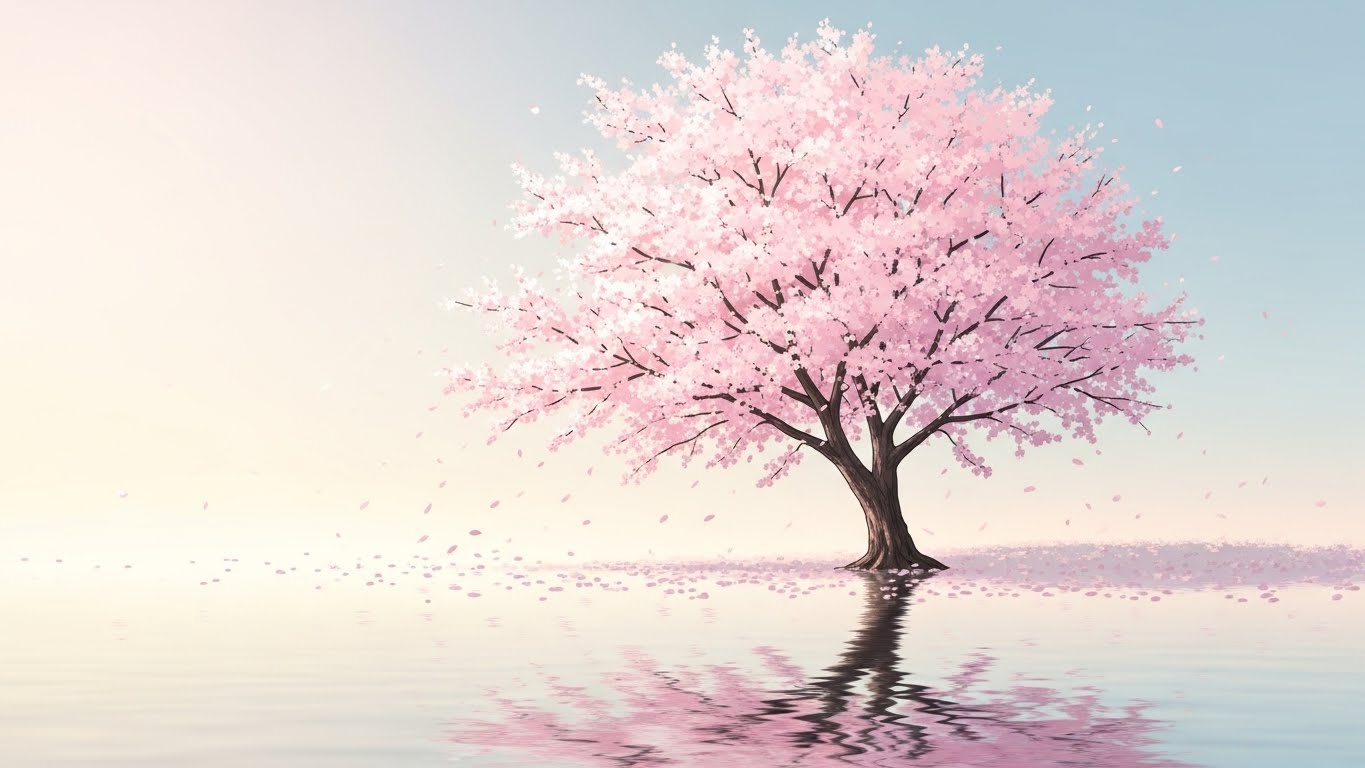
“Hwayangyeonhwa” is a Korean word you may have seen in films, music, and quotes—often translated as “the most beautiful moment in life.” But its meaning is deeper than “youth.” In this know-it-in-5-minutes guide, you’ll learn the literal definition, the nuance, and how people actually use it.
Note: This is an informational language & culture post (not an academic paper). Meanings can vary slightly by context.
1) Meaning of Hwayangyeonhwa (Quick Definition)
Hwayangyeonhwa (화양연화) commonly means:
“the most beautiful, radiant time in life” — a peak moment you’ll remember as especially precious.
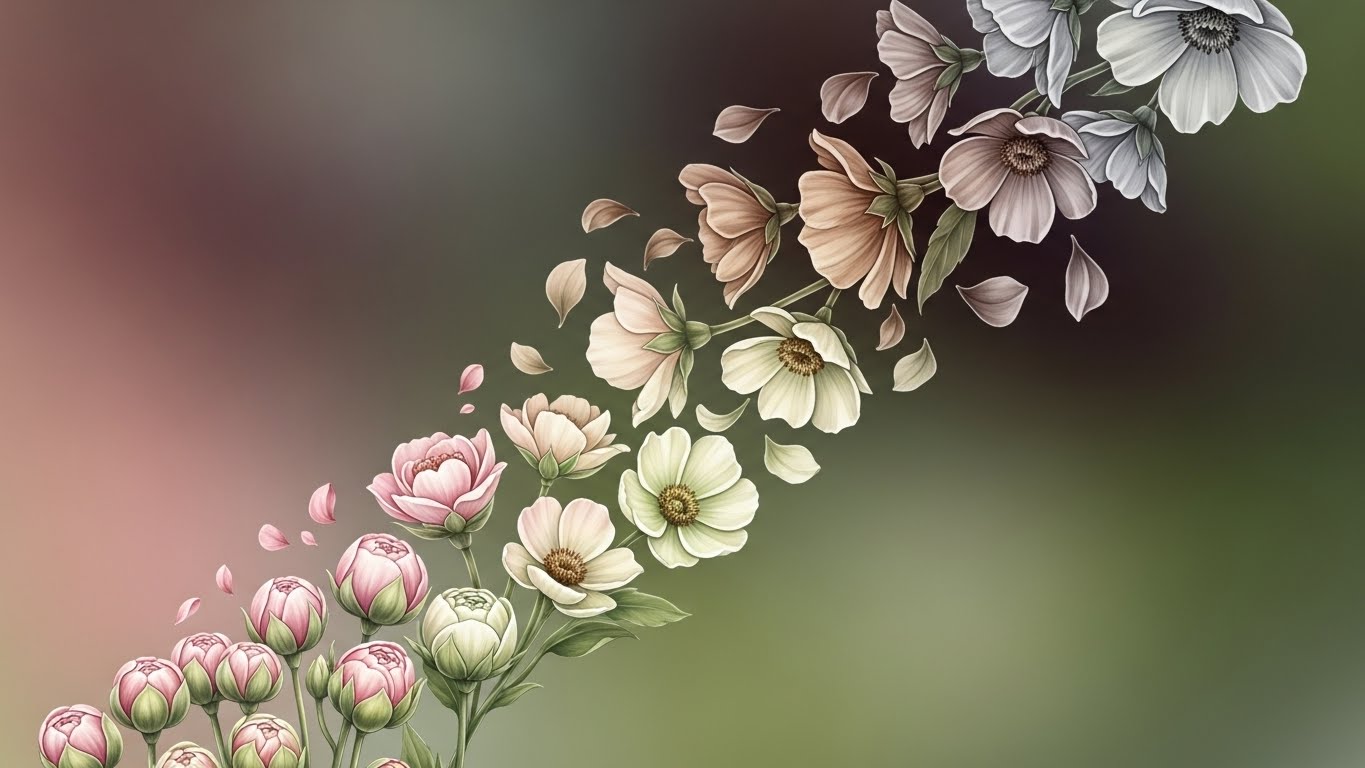
People often translate it as “youth,” but that’s only part of the idea. Hwayangyeonhwa is more about the emotional highlight of life—a season that feels radiant, meaningful, and worth holding onto.
2) Literal Meaning & Origin
Literal meaning (character-by-character)
The phrase is written as 花樣年華. A common way to understand it is: “flower-like years” or “flowering time of life.”

Where it comes from (in simple terms)
The expression is widely used in East Asian cultural contexts as a poetic way to describe a life season that feels radiant and unforgettable. In Korean usage, it often carries a reflective tone—like looking back at a moment you didn’t fully realize was “the moment” until later.
3) The Real Nuance: Why It Feels “Bittersweet”
A key nuance is that Hwayangyeonhwa often implies: beauty + impermanence. It’s not just “my best time,” but “a beautiful time that passes.”

If you want a word that feels more “achievement-focused,” use “prime” or “peak.” If you want a word that feels more “memory-and-emotion-focused,” Hwayangyeonhwa fits better.
4) How Koreans Use It (Natural Examples)
Here are natural, everyday ways the phrase appears—often in reflective writing, captions, or conversations:
- “That time was my hwayangyeonhwa.” (Looking back on a cherished season)
- “Maybe this is our hwayangyeonhwa.” (Recognizing the value of the present)
- “I didn’t know it was hwayangyeonhwa until it ended.” (Bittersweet realization)

In English, you can translate it depending on the mood: “the most beautiful moment in life,” “the flowering years,” “the golden season,” or “a precious time I’ll always remember.”
5) Similar Words & Differences
| Expression | Best simple meaning | Main feeling |
|---|---|---|
| Youth | Young age | Age-focused |
| Prime / Peak | Best performance period | Achievement-focused |
| Hwayangyeonhwa | Most radiant, precious season | Memory + emotion + beauty |
6) FAQ (Common Questions)
Is “Hwayangyeonhwa” only about youth?
Not necessarily. It can be youth, but it can also describe any life season that feels like your most beautiful, unforgettable time.
Is it formal or casual?
It’s more poetic than everyday casual slang. You’ll see it often in captions, essays, and reflective conversation.
How do I pronounce it?
A simple guide: hwa-yang-yeon-hwa. (Like “hwa” in “hwan,” then “yang,” then “yeon,” then “hwa.”)
Summary (One-Minute Takeaway)
✔ It’s not only “youth”—it’s a precious season defined by memory and emotion.
✔ It often carries a bittersweet nuance: beauty that doesn’t last forever.
If you’d like, I can also prepare a matching set for Google SEO: 10 title variations, tags, image alt text, and ImageFX prompts for this English post.