COVID-19 Symptoms: Common Signs, Early Symptoms, and When to Get Tested
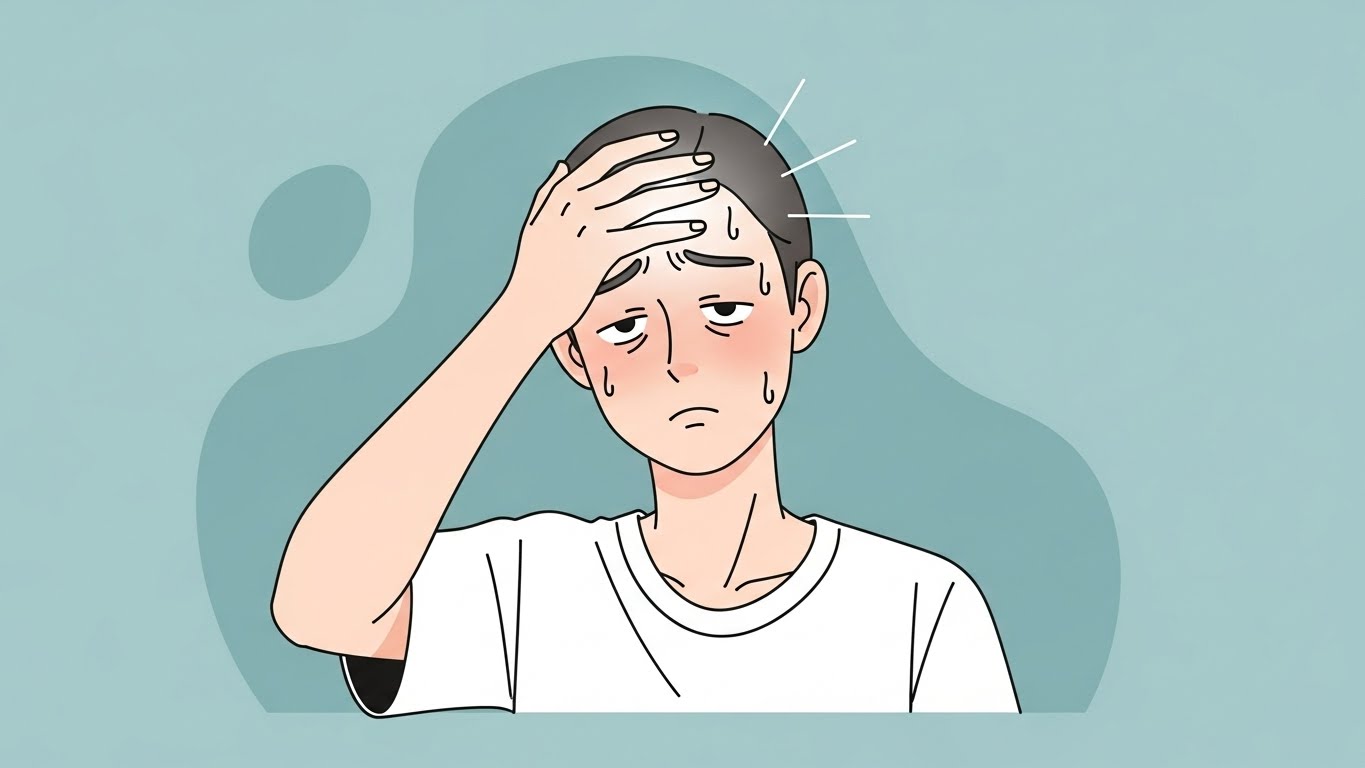
COVID-19 symptoms can vary widely—from mild cold-like signs to more serious health problems. Some people experience only minor discomfort, while others develop symptoms that require medical care.
This guide explains the most common COVID-19 symptoms, early warning signs, how they differ from a cold or flu, and when you should consider testing or medical help.
Disclaimer: This article is for informational purposes only and does not provide medical diagnosis or treatment. Always follow guidance from healthcare professionals and public health authorities.
1) Common COVID-19 Symptoms
The most commonly reported COVID-19 symptoms include:
- Fever or chills
- Cough (often dry)
- Fatigue or unusual tiredness
- Sore throat
- Headache
- Muscle or body aches
- Nasal congestion or runny nose
2) Early Symptoms to Watch For
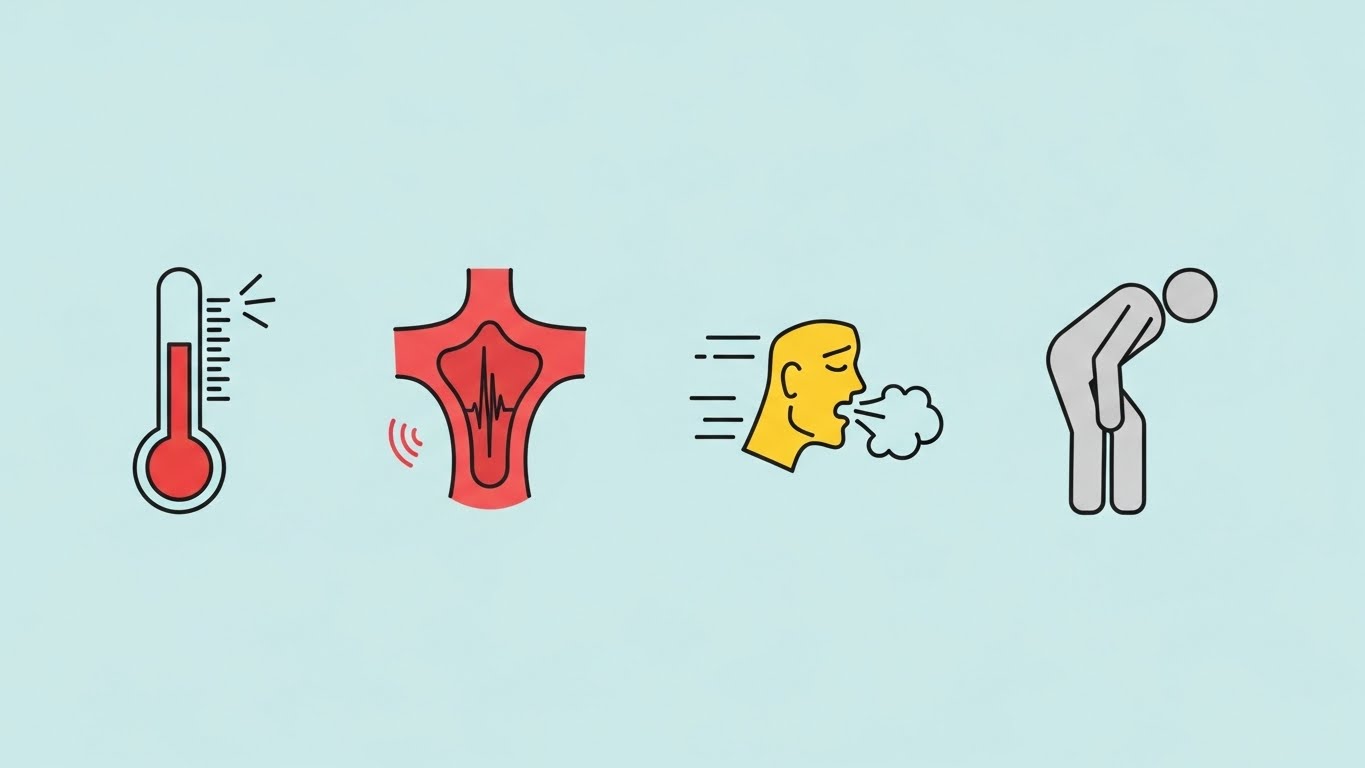
Early COVID-19 symptoms often resemble a mild cold and may appear 2–5 days after exposure. Common early signs include:
Mild fever or feeling feverish
Some people notice a slight increase in body temperature rather than a high fever.
Fatigue and low energy
Feeling unusually tired, even without heavy activity, is a frequent early symptom.
Sore throat or dry cough
These symptoms can start mildly and gradually worsen over a few days.
3) COVID-19 vs Cold vs Flu
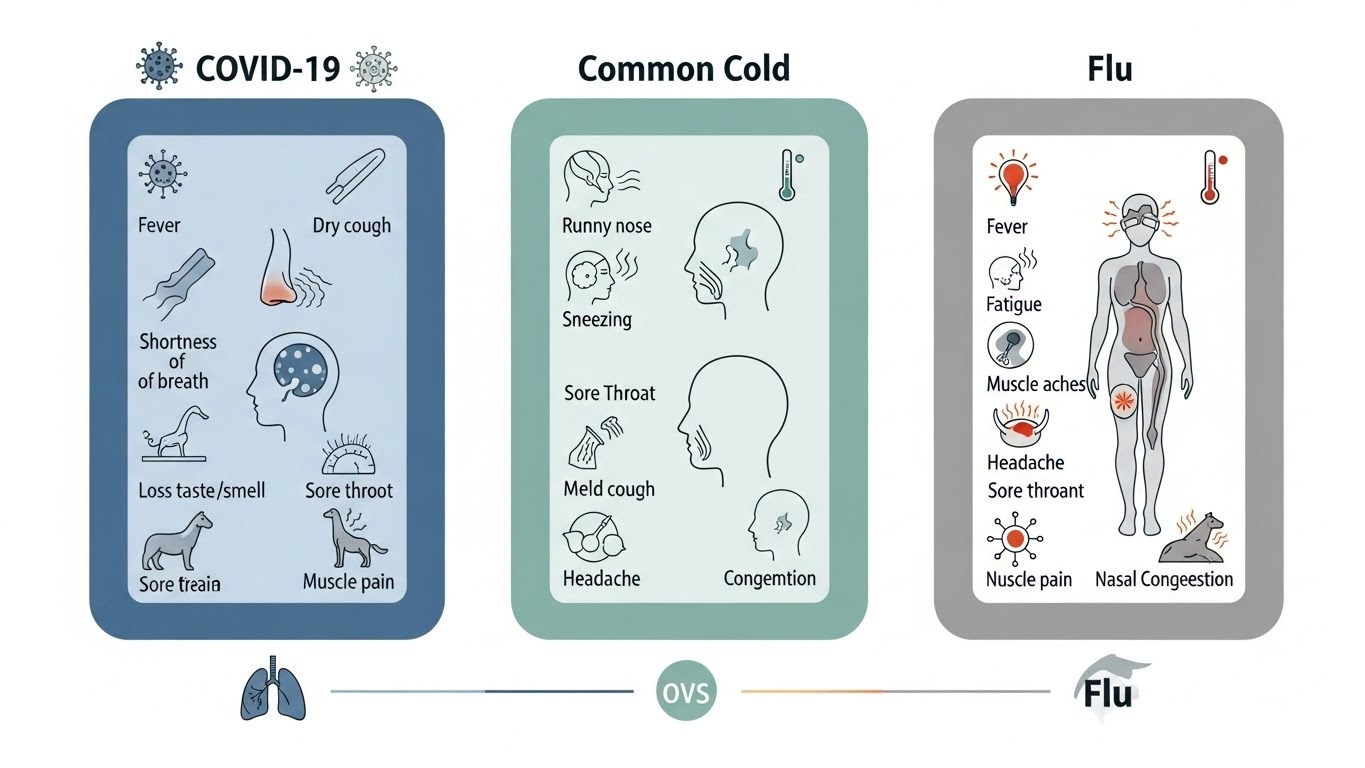
| Symptom | COVID-19 | Cold | Flu |
|---|---|---|---|
| Fever | Common | Rare | Common |
| Fatigue | Common | Mild | Common |
| Loss of taste or smell | Possible | Rare | Rare |
4) Less Common Symptoms
- Loss of taste or smell
- Nausea or vomiting
- Diarrhea
- Dizziness or lightheadedness
- Skin rash (rare)
5) When to Get Tested or Seek Medical Care
Consider COVID-19 testing if you have symptoms and:
- Had close contact with someone who tested positive
- Symptoms are worsening or not improving
- Live with or care for high-risk individuals
Seek urgent medical care if you experience: difficulty breathing, chest pain, confusion, or bluish lips or face.
6) What to Do If You Have Symptoms
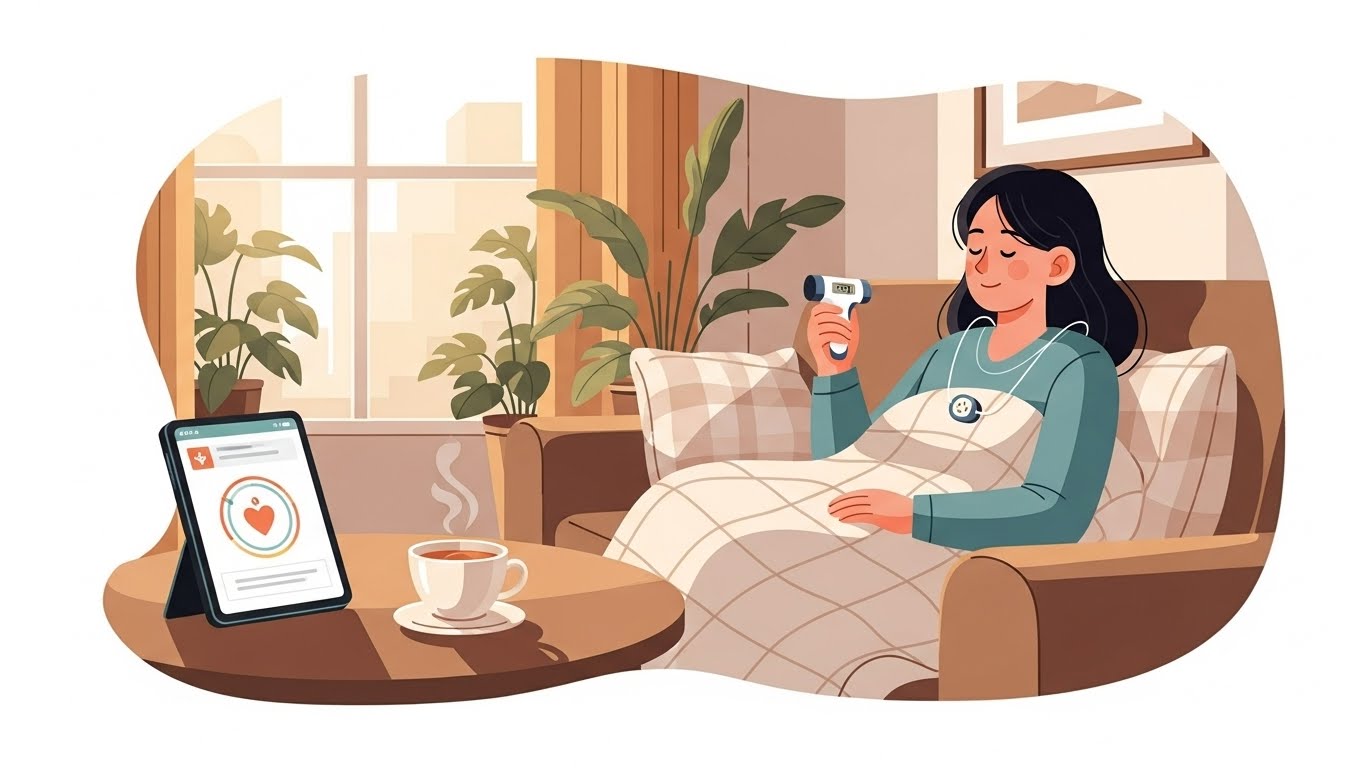
- Stay home and limit contact with others
- Monitor symptoms and temperature
- Rest and stay hydrated
- Follow local health authority guidance
- Seek medical advice if symptoms worsen
Quick Summary
✔ Early symptoms often include fever, fatigue, sore throat, and cough.
✔ Testing and medical advice are recommended if symptoms persist or worsen.
'Health' 카테고리의 다른 글
| Why Do I Suddenly Feel Dizzy? Common Causes and What to Do (0) | 2025.12.16 |
|---|
