Why Do I Suddenly Feel Dizzy? Common Causes and What to Do

Sudden dizziness can feel scary—especially when it comes out of nowhere. The good news is that many causes are manageable (like dehydration, low blood sugar, or standing up too fast). But sometimes dizziness can signal something that needs medical attention.
In this guide, you’ll learn the most common reasons people feel dizzy, how to tell the difference between mild and urgent symptoms, and what you can do right away to feel safer.
Disclaimer: This article is for general information only and does not replace medical advice. If symptoms are severe, persistent, or concerning, seek professional care.
1) What “Dizziness” Can Mean
“Dizziness” is a broad term. People use it to describe different sensations, and the cause can depend on which type you feel:
- Lightheadedness: feeling faint or “about to pass out”
- Vertigo: the room feels like it’s spinning
- Imbalance: unsteady walking or trouble standing
- Blurred focus: “foggy” head, hard to concentrate
2) Top Common Causes of Sudden Dizziness
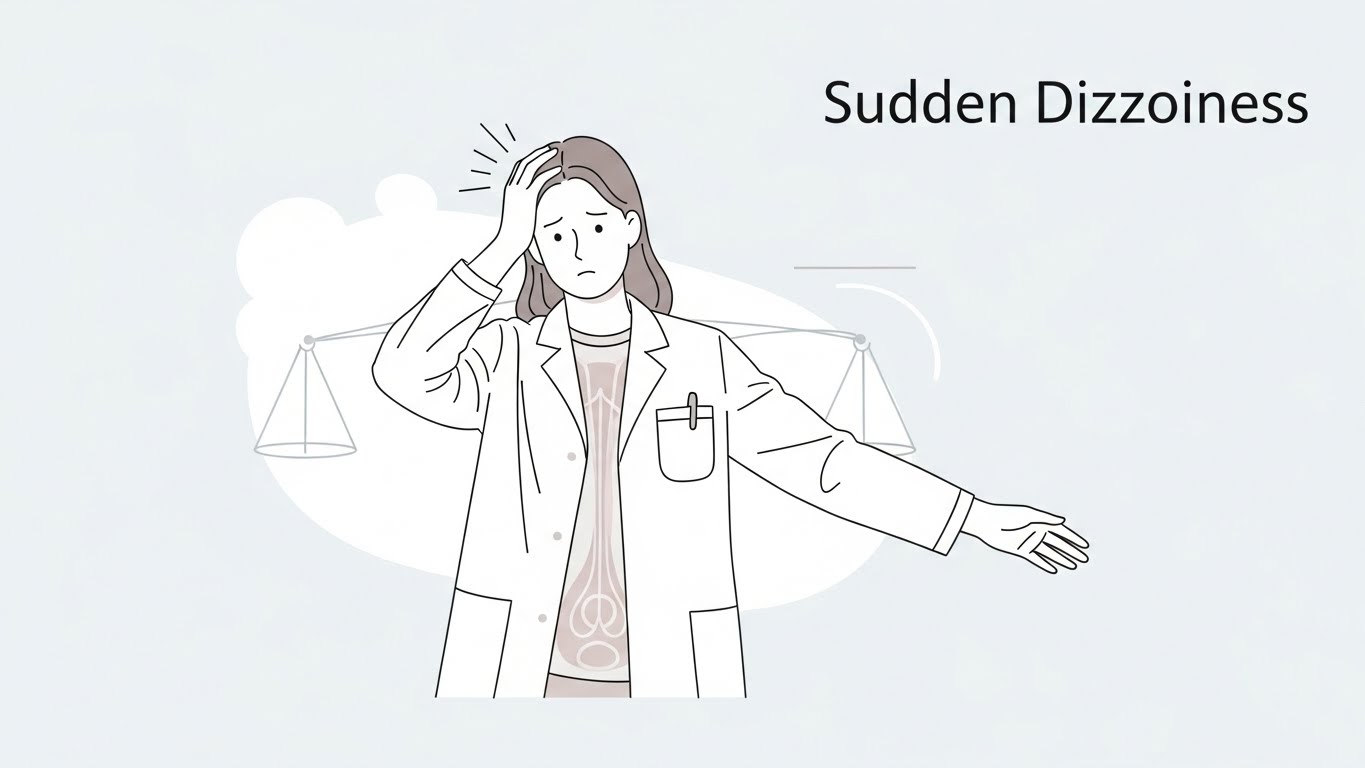
Below are common, non-exhaustive possibilities. If dizziness is new, frequent, or intense, it’s worth discussing with a clinician.
A) Dehydration (not enough fluids)
Even mild dehydration can reduce blood volume and make you feel lightheaded—especially after sweating, caffeine, alcohol, or not drinking enough water.
B) Low blood sugar (skipping meals)
Going too long without food can cause shakiness, sweating, weakness, and dizziness. This can be more noticeable in people with diabetes or those taking glucose-lowering medications.
C) Standing up too fast (orthostatic hypotension)
If you feel dizzy right after getting up from bed or a chair, your blood pressure may be dropping briefly. This is common with dehydration, heat, prolonged sitting, or certain medications.
D) Inner ear issues (vertigo, BPPV)
If the room feels like it’s spinning—especially when you turn your head, roll in bed, or look up—an inner ear balance issue (such as BPPV) may be involved.
E) Stress, anxiety, or hyperventilation
Intense stress can change breathing patterns and trigger dizziness, tingling, chest tightness, or a “floating” sensation. This does not mean it’s “all in your head”—your nervous system can produce real physical symptoms.
F) Medication effects
Some blood pressure medications, sleep aids, antidepressants, or new dose changes can cause dizziness. If symptoms started after a medication change, note the timing and contact your prescriber.
3) Dizziness vs. Vertigo: Quick Check
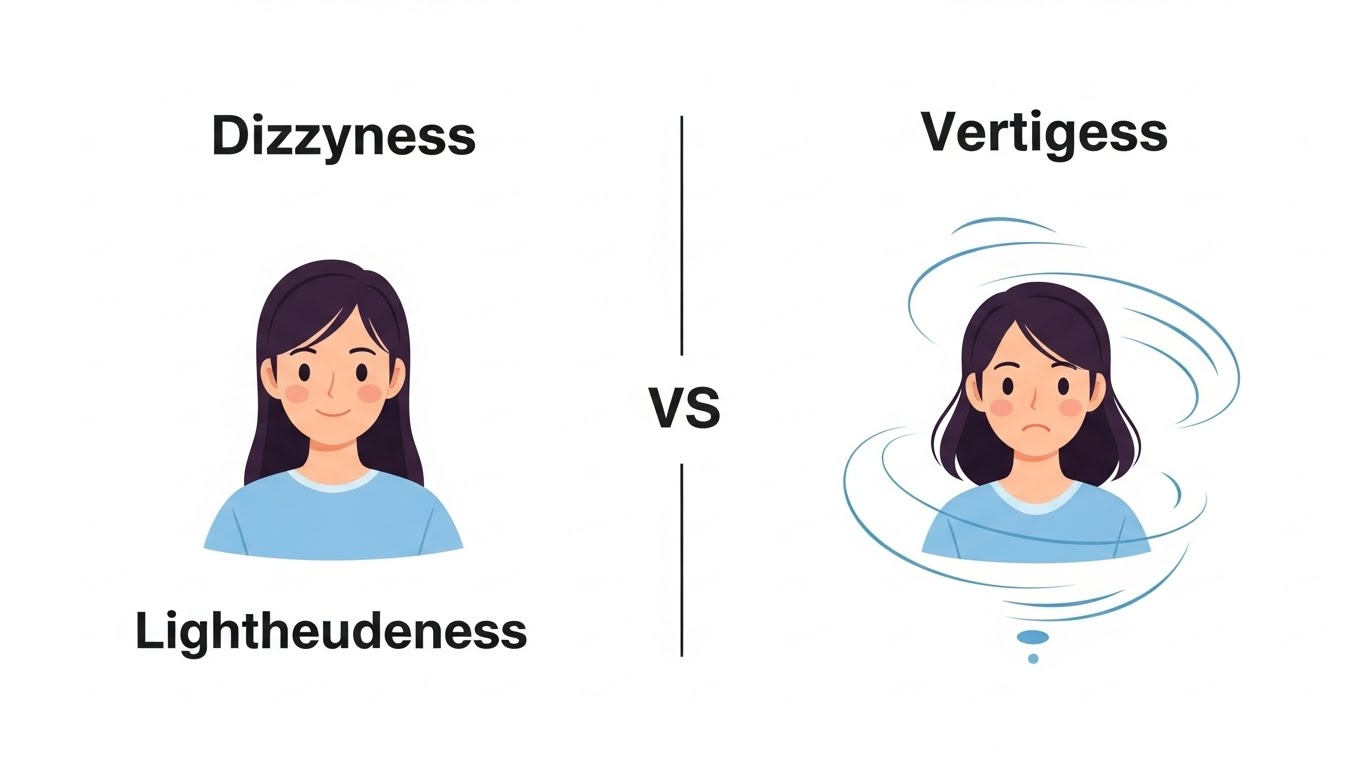
| What it feels like | Often linked to | Common triggers |
|---|---|---|
| Lightheaded, faint | Blood pressure, dehydration, low sugar | Standing up, heat, skipped meals |
| Spinning sensation | Inner ear balance system (vertigo) | Head movement, rolling in bed |
| Unsteady walking | Multiple causes (balance, nerves, meds) | Fatigue, medication, illness |
4) Red Flags: When to Seek Urgent Care

Seek urgent medical attention (or emergency care) if dizziness comes with any of the following:
- Face drooping, arm weakness, or speech difficulty
- Severe headache “out of nowhere”
- Chest pain, fainting, or severe shortness of breath
- New trouble walking, confusion, or vision loss
- Dizziness after a head injury
If you’re unsure, it’s safer to get evaluated—especially if symptoms are new, intense, or rapidly worsening.
5) What to Do Right Now (Safe Steps)

- Sit or lie down immediately to prevent falls.
- Hydrate slowly (water is fine; an oral rehydration drink may help if you’ve been sweating).
- If you skipped meals, try a small snack (especially if you suspect low blood sugar).
- Avoid driving until symptoms fully pass and you feel stable.
- Note what happened: time, trigger, duration, and any extra symptoms.
If your dizziness happens mainly when turning your head or rolling in bed (spinning sensation), consider getting evaluated for benign positional vertigo (BPPV).
6) Prevention Tips (Daily Habits)
- Drink fluids regularly, especially in hot weather or after exercise.
- Don’t skip meals; aim for balanced snacks if needed.
- Stand up slowly (pause at the edge of the bed before walking).
- Review medication changes with your clinician if dizziness starts suddenly.
- Prioritize sleep—fatigue can worsen dizziness and balance issues.
7) FAQ
How long is “too long” for dizziness?
If dizziness lasts more than a few minutes, keeps returning, or interferes with daily life, it’s worth medical evaluation. If it comes with red flags (section 4), seek urgent care.
Can dehydration really cause sudden dizziness?
Yes—especially if you’ve had poor fluid intake, sweating, diarrhea, fever, caffeine, or alcohol.
Should I check my blood pressure or blood sugar?
If you have access to a home monitor, it can be helpful—especially if symptoms happen after standing up, after skipping meals, or if you take blood pressure/diabetes medications.
One-Minute Summary
✔ If you have speech trouble, weakness, severe headache, chest pain, fainting, or confusion, seek urgent care.
✔ Sit/lie down, hydrate, and track triggers—then follow up if it repeats.
If you want, I can also create an SEO-ready set for this post: 10 English title variations, tags, image alt text, and ImageFX prompts.
'Health' 카테고리의 다른 글
| COVID-19 Symptoms: Common Signs, Early Symptoms, and When to Get Tested (0) | 2025.12.17 |
|---|
